August 14, 2026
Choosing where to eat is a daily decision that shapes social interactions, personal celebrations, and culinary expectations. The global restaurant landscape offers a vast spectrum of options, ranging from neighborhood diners to elaborate gastronomic destinations. While every eating establishment shares the foundational goal of satisfying hunger, the philosophy behind the execution varies drastically between casual and luxury venues. Understanding what sets these experiences apart involves looking closely at the intricate details that define a meal. The distinction between a relaxed neighborhood spot and an upscale establishment goes far beyond the price tag found on the menu. It encompasses a total commitment to hospitality, a dedication to sensory curation, and a substantial investment in backend infrastructure that transforms an ordinary evening into an unforgettable event. By exploring these core differences, patrons can better appreciate the artistry, effort, and resources required to deliver a truly exceptional meal.
Examining the General Atmosphere
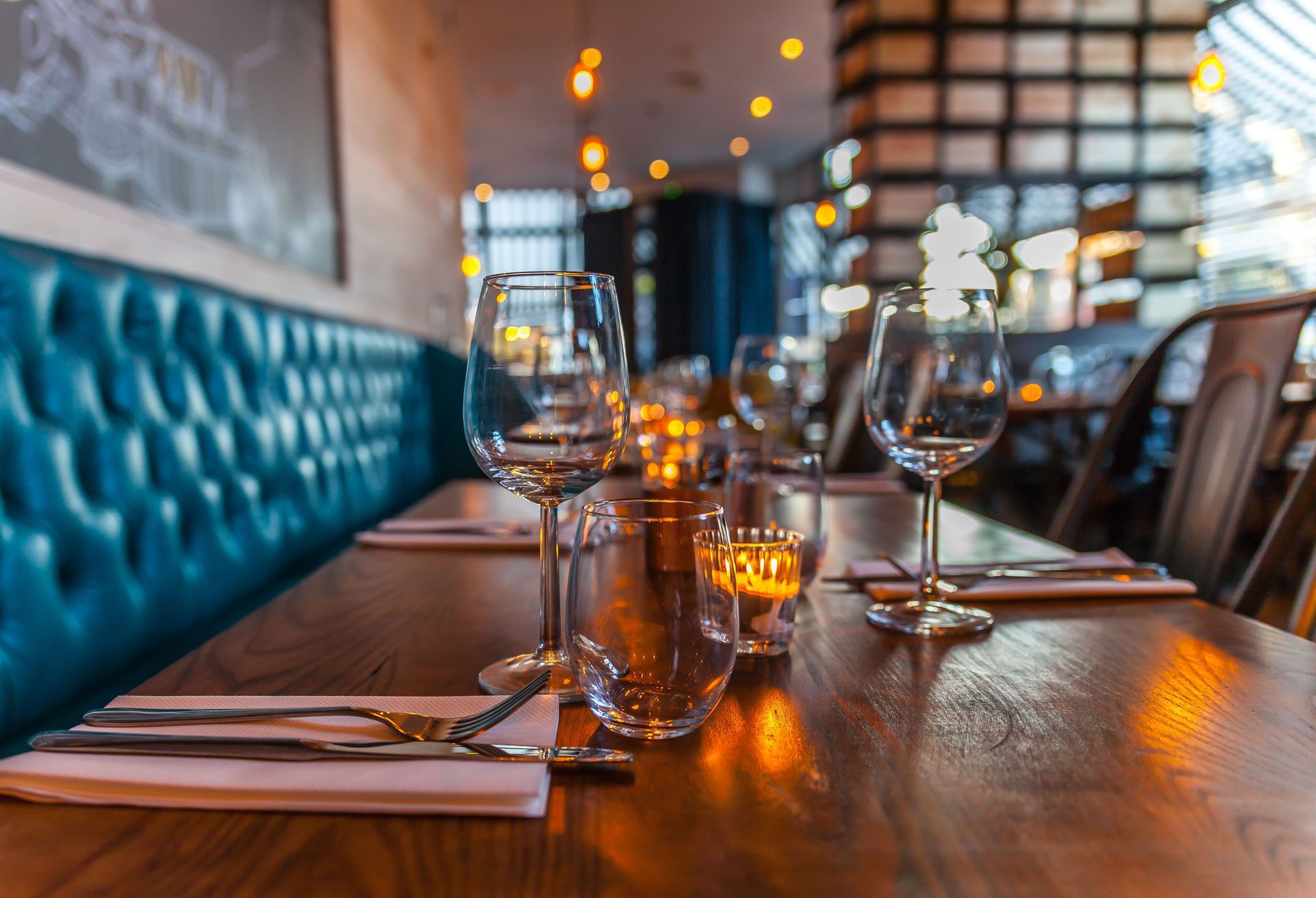
The physical environment sets the stage for any meal, acting as the immediate communicator of a restaurant concept. In a casual setting, the environment emphasizes comfort, convenience, and a lively communal energy. Seating is often arranged to maximize capacity, and the ambient noise level reflects the bustling chatter of a thriving neighborhood hub. Bright lighting, durable furniture, and upbeat background music encourage a steady flow of guests and a vibrant, unpretentious mood. This straightforward approach prioritizes accessibility, making patrons feel completely welcome in everyday attire without any pressure to conform to strict social expectations or formal behavioral codes.
Conversely, an upscale establishment treats the environment as an extension of the menu itself, where every sensory detail is deliberately managed. The lighting is carefully controlled to create an intimate, sophisticated mood, often utilizing soft architectural illumination rather than bright overhead fixtures. Spatial design favors privacy, ensuring a generous distance between tables so conversations remain confidential and relaxed. Every material, from the heavy acoustic paneling that dampens ambient sound to the custom linens and polished crystal glassware, is selected to convey luxury. This deliberate curation fosters a tranquil oasis where guests are encouraged to relax for an extended duration, fully immersing themselves in the sensory experience of fine dining.
Evaluating the Service Standards
Hospitality in a relaxed restaurant environment focuses primarily on speed, friendliness, and operational efficiency. Servers often manage a large block of tables simultaneously, moving quickly to take orders, deliver plates, and process payments. The interaction is direct and informal, which aligns perfectly with the expectations of guests who might be operating on a limited time constraint or seeking a quick family dinner. Training in these venues emphasizes rapid turnaround times and a general knowledge of the menu items, ensuring that the operational flow remains consistent throughout a busy shift.
In contrast, the service model in a luxury establishment is characterized by an invisible, proactive attentiveness that requires deep expertise. Staff members undergo rigorous training to master the nuances of table etiquette, ingredient origins, and beverage profiles. A server at this level anticipates needs before the guest even articulates them, seamlessly replacing a napkin or clearing crumbs between courses without disrupting the conversation. This choreography ensures that the guest feels completely cared for, elevating the evening into a seamless performance where every detail is executed with absolute precision. The relationship between the guest and the staff becomes a core element of the overall fine dining journey.
Appreciating the Culinary Craft
The approach to menu design and ingredient selection represents another major divergence in the restaurant industry. Casual venues typically offer familiar comfort foods designed for broad appeal and consistent reproduction. The recipes rely on accessible ingredients that can be sourced reliably and prepared quickly by a rotating kitchen staff. While the quality can be excellent, the primary goal is predictability and satisfaction, offering substantial portions that satisfy traditional cravings without challenging the palate or presenting unexpected texture combinations.
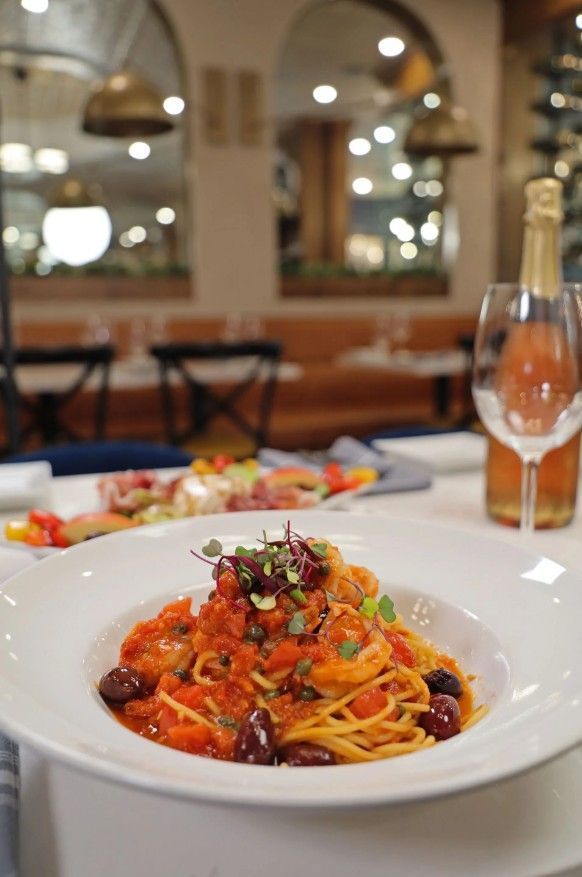
On the other hand, luxury kitchens view gastronomy as a progressive art form that pushes boundaries and celebrates culinary complexity. Chefs in these kitchens focus heavily on seasonality, utilizing rare elements and complex techniques like fermentation, dehydration, or intricate butchery. Each plate is composed like a canvas, balancing colors, textures, and temperatures to surprise and delight the senses. This meticulous dedication to flavor profiles and artistic presentation defines the very essence of fine dining, where a meal is structured as a narrative sequence of courses designed to evoke emotion and intellectual curiosity.
Considering the Kitchen Investment
Behind the dining room doors lies a complex operational matrix that dictates what can ultimately be delivered to the table. Casual restaurants often utilize standard, multi-purpose equipment designed for high-volume output and easy maintenance. The focus is on maximizing space efficiency and ensuring that staff can operate machinery with minimal specialized training. This standard setup allows the kitchen to maintain a rapid pace, turning out popular dishes with speed and consistency to keep up with the high volume of front-of-house traffic.
Achieving the precision required for elite gastronomy, however, demands a completely different tier of backend infrastructure and specialized culinary tools. According to Gitnux, cooking equipment accounts for about 45% of all restaurant equipment purchases in the U.S. In an elite establishment, this investment is heavily weighted toward advanced technology like thermal circulators, specialized combi-ovens, and custom ventilation systems that allow for precise temperature control. This level of financial commitment ensures that the kitchen can execute the intricate processes necessary to maintain the strict standards associated with fine dining, proving that exceptional hospitality relies as much on technical infrastructure as it does on culinary talent.
Understanding the Beverage Integration
The role of beverages provides another clear point of differentiation between relaxed and elevated eating experiences. In a casual establishment, the drink menu is usually concise and straightforward, featuring popular beers, standard house wines, and classic cocktails. The focus is on providing refreshing, familiar options that complement a wide variety of dishes without requiring extensive explanation. Guests select their drinks independently, and the bar service is geared toward rapid preparation and consistent execution to keep up with the lively pace of the room.
Conversely, an elite establishment views the beverage program as an integral component of the gastronomic narrative, requiring dedicated professionals to manage. A curated wine cellar, extensive spirits collection, and bespoke pairing menus are standard features of the fine dining landscape. Sommeliers collaborate closely with the culinary team to ensure that each pour enhances the specific flavor notes of a dish, creating a synergistic effect where the food and drink elevate each other. This thoughtful integration adds another layer of sophistication, transforming a simple beverage order into an educational and sensory exploration that defines luxury hospitality.
While casual establishments offer essential comfort, convenience, and community connection for everyday life, the world of luxury hospitality provides a rare escape into culinary perfection. The distinction between these distinct styles of eating lies in the intentionality behind every choice, from the acoustic design of the dining room to the technological sophistication of the kitchen equipment. A truly elevated meal requires an alignment of atmosphere, service, and culinary craft to create a cohesive, memorable story for the guest. When looking for an establishment that masterfully bridges the gap between traditional Italian warmth and the meticulous execution of fine dining, choosing the right venue makes all the difference. To experience this exceptional dedication to flavor, hospitality, and atmosphere firsthand, contact ICCARA Italian Bistro.