August 31, 2026
A memorable dining experience goes beyond serving food to hungry patrons. Guests seek inviting atmospheres, social connection, and vibrant flavors reminiscent of distant shores. When diners step into a local Italian restaurant, they expect a cultural immersion. They desire a journey into rich culinary heritage. The aroma of simmering garlic sets the stage. Every detail builds the foundation, separating exceptional establishments from average eateries.
Success in this competitive industry requires steadfast dedication to fundamental principles. Premium establishments balance classic cooking techniques with modern dietary expectations. True distinction comes from an unwavering commitment to unparalleled quality. The best kitchens transform raw agricultural ingredients into breathtaking masterpieces. They create welcoming spaces where guests feel like family members. Exploring these core elements reveals how top-tier kitchens achieve remarkable longevity.
Mastering the Art of Fresh Ingredients
The foundation of any remarkable local Italian restaurant begins with superior components. Expert chefs know that outstanding dishes rely on peak-season produce. Ripe tomatoes, fragrant basil, and robust olive oil form the backbone of classic Mediterranean plates. Establishments striving for excellence refuse to compromise on these vital staples. They source produce with respect for the seasons. This dedication elevates simple ancestral recipes into extraordinary culinary creations.
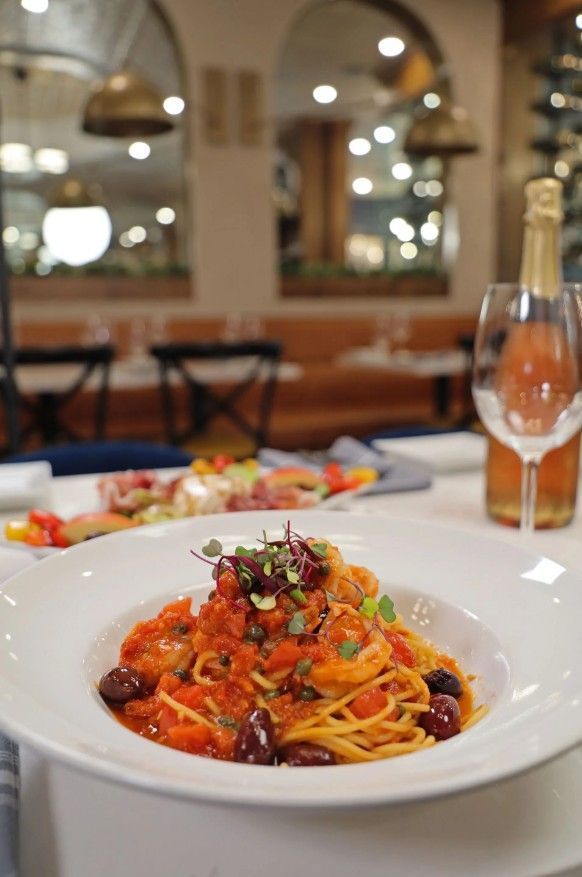
Pasta crafting serves as a prime example of this culinary dedication. Exceptional kitchens dedicate hours to mixing, kneading, and shaping dough by hand. Semolina and eggs transform into delicate ribbons or sturdy tubes. This labor-intensive process yields a distinctive texture impossible to replicate with mass-produced alternatives. Diners appreciate the slight chew and porous surface. The artisanal pasta grabs the rich sauce, creating an impeccable bite.
Seafood and meats receive the same rigorous attention. Coastal-inspired dishes require the ocean's freshest bounty to shine. Dedicated kitchens select premium meat cuts and fresh catches to honor long-standing traditions. Simplicity reigns supreme in the preparation of these proteins. A light pan sear or a slow braise enhances natural flavors without overwhelming the palate. The chosen proteins become the star. Such precision distinguishes elite culinary teams.
Cheeses and cured meats add essential depth to the varied menu. Imported Pecorino, Parmesan, and mozzarella offer distinct textures and flavor profiles. Artisanal prosciutto and salami provide savory, salty contrasts to balsamic reductions. Quality establishments import these items or find artisanal domestic producers. The careful curation of a charcuterie board showcases a deep understanding of flavor pairings. Each savory bite offers a glimpse into a rich agricultural heritage.
Honoring the Traditions of Regional Recipes
Italy possesses a diverse gastronomic landscape, shaped by geography and climates. A standout kitchen highlights this regional variety on the menu. Offerings feature robust, meat-heavy sauces from northern mountainous areas. Coastal regions inspire bright, acidic tomato sauces and seafood plates. By showcasing specific regional specialties, establishments educate diners on flavor profiles. Guests experience a broader spectrum of Mediterranean flavors. This geographic focus demonstrates profound culinary knowledge.
Grandmothers and past generations provide the inspiration for many beloved ancestral dishes. A stellar local Italian restaurant preserves these time-honored methods for contemporary diners. Chefs avoid shortcuts, favoring slow-simmered techniques passed down through families. Rich sauces bubble on the stove for hours, developing complex layers of taste. These steadfast recipes resist fleeting culinary trends. They remain pillars of the menu. Diners crave this dependable taste of history.
Adaptation happens with respect for the source material. Chefs might incorporate regional American produce into classic European frameworks. However, the soul of the dish remains intact. The balance of acid, fat, and salt follows ancestral guidelines. Innovating within boundaries shows remarkable technical skill. The kitchen respects the past while feeding the contemporary palate. This delicate balance defines culinary mastery.
Desserts carry the same historical weight as savory courses. Classic Tiramisu, crisp cannoli, and silky panna cotta require technical execution. Bakers soak ladyfingers to the proper consistency for layering. They whip ricotta to a smooth, airy texture for flawless fillings. These traditional sweets provide a concluding note of comfort. A meal ending with a flawless classic dessert leaves a lasting impression. It reinforces the commitment to authentic culinary practices.
Cultivating an Atmosphere of Warm Hospitality
Food represents a fraction of the dining experience. The ambiance plays an equal role in defining an establishment. Guests desire a welcoming environment the moment they walk through the door. Warm lighting and comfortable seating encourage lingering conversations over wine. The interior decor reflects Mediterranean aesthetics without becoming a caricature. Elegant simplicity creates a soothing backdrop for romantic celebrations and casual gatherings. This environment puts every guest at ease.
Service staff act as ambassadors of the chef's culinary vision. Servers possess knowledge of the seasonal menu and the wine list. They guide guests through the meal with unobtrusive grace and care. A memorable dining room runs with efficiency and coordination. The staff anticipates needs before guests articulate them. This seamless service elevates the entire evening. It transforms a weeknight dinner into a special occasion.
The human element remains crucial in delivering hospitality. According to TouchBistro, 90% of restaurants have fewer than 50 employees. This smaller scale allows for personalized interactions. Staff learn the names and preferences of regular patrons. Diners feel valued and recognized by the management team. This level of care creates a loyal customer base. A remarkable local Italian restaurant builds lasting relationships alongside serving beautiful plates of pasta.
Wine culture intertwines with the essence of Mediterranean dining. A curated beverage program complements the food offerings. Knowledgeable sommeliers select bottles to enhance specific regional dishes. They offer thoughtful pairings to elevate the flavor profiles of the food and the drink. The presence of imported varietals shows a dedication to the experience. Proper glassware and traditional decanting rituals add a touch of elegance to the table.
Fostering a Sense of Community Connection
Dining establishments thrive when they become integral parts of their neighborhoods. A successful kitchen sources ingredients from nearby farmers and artisans. Buying regional produce supports the economy and landscape. It also ensures the freshest possible components for the seasonal menu. This symbiotic relationship strengthens neighborhood bonds. Diners appreciate knowing their meal supports regional agriculture. The eatery becomes a hub of commerce.
Participation in neighborhood events solidifies this community connection. Owners and chefs host charity dinners or sponsor youth programs. Engaging with the public outside the dining room builds goodwill. It demonstrates a commitment to the area's well-being. An eatery acts as a gathering place for celebrations and milestones. It weaves itself into the fabric of daily life.
Consistency keeps the community returning for meals. Patrons expect the same quality during every visit. The kitchen must execute dishes with flawlessness, whether on a weekend or a weekday. This reliability establishes a reputation. Word-of-mouth recommendations become the best marketing tool. A standout local Italian restaurant earns its status through unwavering dedication. Guests know they will receive a stellar meal.
Adapting to the neighborhood's needs ensures long-term survival. Menus might shift to accommodate dietary preferences while maintaining a Mediterranean identity. Offering spaces for family gatherings serves community demands. The management listens to patron feedback and adjusts operations. This responsiveness proves the establishment values its clientele. It creates a space where everyone feels respected and valued.
Exceptional culinary destinations require a blend of food, service, and atmosphere. A remarkable local Italian restaurant stands as a testament to these elements. Fostering community connections secures a place in the hearts of neighbors. These pillars uphold the finest dining establishments. We invite you to join our family at ICCARA Italian Bistro to experience the warmth and vibrant flavors of an authentic Mediterranean meal. Reserve your table with us today and let us show you exactly what makes our local Italian restaurant a cherished part of this community.